Training · 6 min read · October 2026
How Much Caffeine Is in Your Pre-Workout? A Safety Guide
By The EVΛFIT team. Published 24 October 2026.
Why it matters
Most pre-workouts get their kick from caffeine, and the amount in one serving differs a lot from product to product. Because you may also drink coffee, tea or energy drinks the same day, it is worth adding it all up.
The numbers to know
The European Food Safety Authority (EFSA) concluded in 2015 that, for healthy adults who are not pregnant, caffeine intakes of up to 400 mg a day, and single doses of up to 200 mg, do not raise safety concerns. For pregnant and breastfeeding women it gave 200 mg a day, and it said there was not enough information to set a safe level for children and teenagers. EFSA also noted that caffeine can affect sleep, especially when taken close to bedtime. The UK's NHS likewise advises pregnant women to have no more than 200 mg of caffeine a day.
What a normal day adds up to
The NHS gives these typical amounts: about 100 mg in a cup of instant coffee, 75 mg in a cup of tea, 40 mg in a can of cola and 80 mg in a 250 ml can of energy drink. Filter coffee and coffee from shops can contain more.
What is in a pre-workout
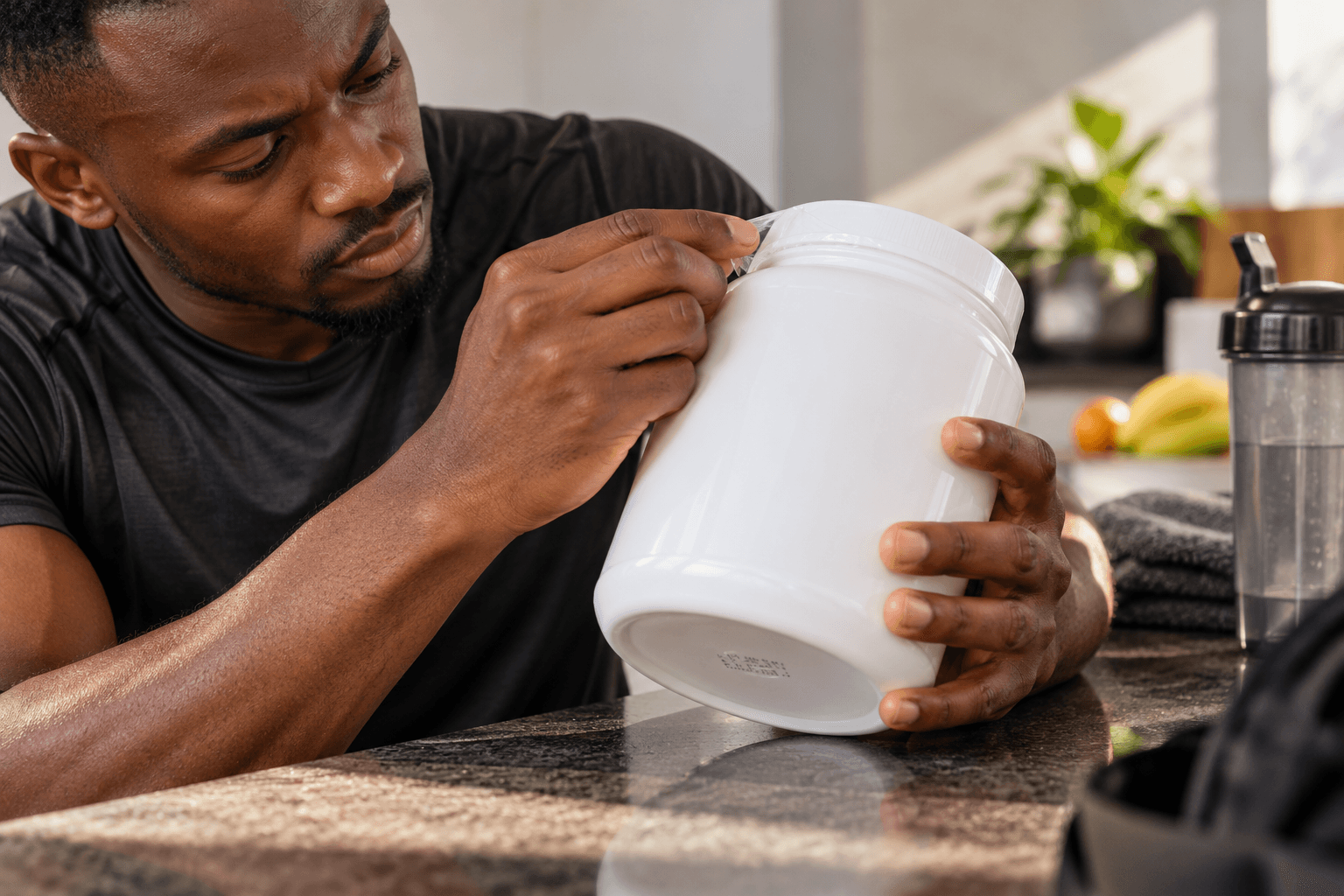
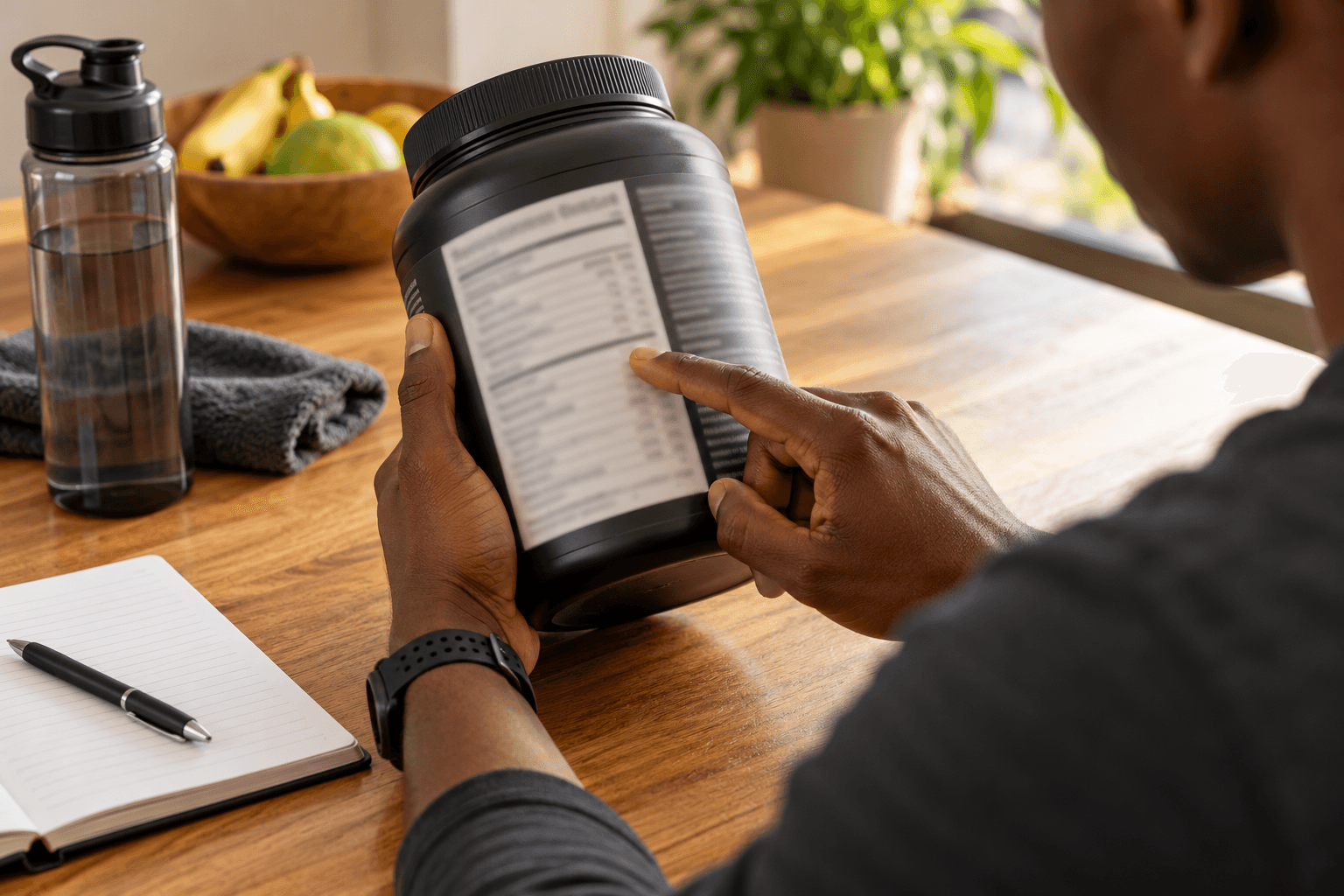
Look for the caffeine line on the label, and check whether it is per serving or per tub. As one real example, the UK/EU label for Optimum Nutrition Gold Standard Pre-Workout lists 175 mg of caffeine in an 11 g serving. Other pre-workouts list more caffeine per scoop, so a single serving of some products is above the 200 mg single-dose figure EFSA mentions. Don't assume: read the label on your own tub.
Adding it up
One serving of that ON pre-workout (175 mg) plus two cups of instant coffee (about 200 mg) is about 375 mg in a day, which is already close to the 400 mg figure. Two caffeinated products in one session can push you well past a single-dose figure.
Practical tips
Take no more than the serving on the label, and start with half a serving to see how you react. Don't combine two caffeinated products, and avoid taking caffeine late in the day if it affects your sleep. Pre-workouts are not suitable for children or under-18s, pregnant or breastfeeding women, or anyone sensitive to caffeine or with a heart, blood-pressure or other medical condition. If you are unsure, ask your doctor first.
Quick answers
- How much caffeine is safe per day?
- EFSA concluded that up to 400 mg a day, and single doses up to 200 mg, do not raise safety concerns for healthy adults who are not pregnant. For pregnant and breastfeeding women the figure is 200 mg a day.
- How much caffeine is in Optimum Nutrition Gold Standard Pre-Workout?
- 175 mg per 11 g serving, according to the UK/EU label on Optimum Nutrition's website. Always check the label on your own tub, since formulas can change.
- Can I drink coffee and take a pre-workout?
- You can, but add up the caffeine from both. Check the caffeine per serving on your pre-workout and count each cup of coffee, tea or energy drink.
- Is it a bad idea to take caffeine at night?
- EFSA notes that caffeine can affect sleep, especially when taken close to bedtime. Many people avoid caffeinated products late in the day.
Sources
This article is general information, not medical advice. If you have a medical condition, are pregnant or breastfeeding, are under 18 or take medication, speak to your doctor before using supplements. EVΛFIT is an independent retailer and brand names belong to their owners.
Ask us on WhatsApp